From Space
Earth observation, satellite imagery and climate intelligence.
WGIC Horizons · Business Case


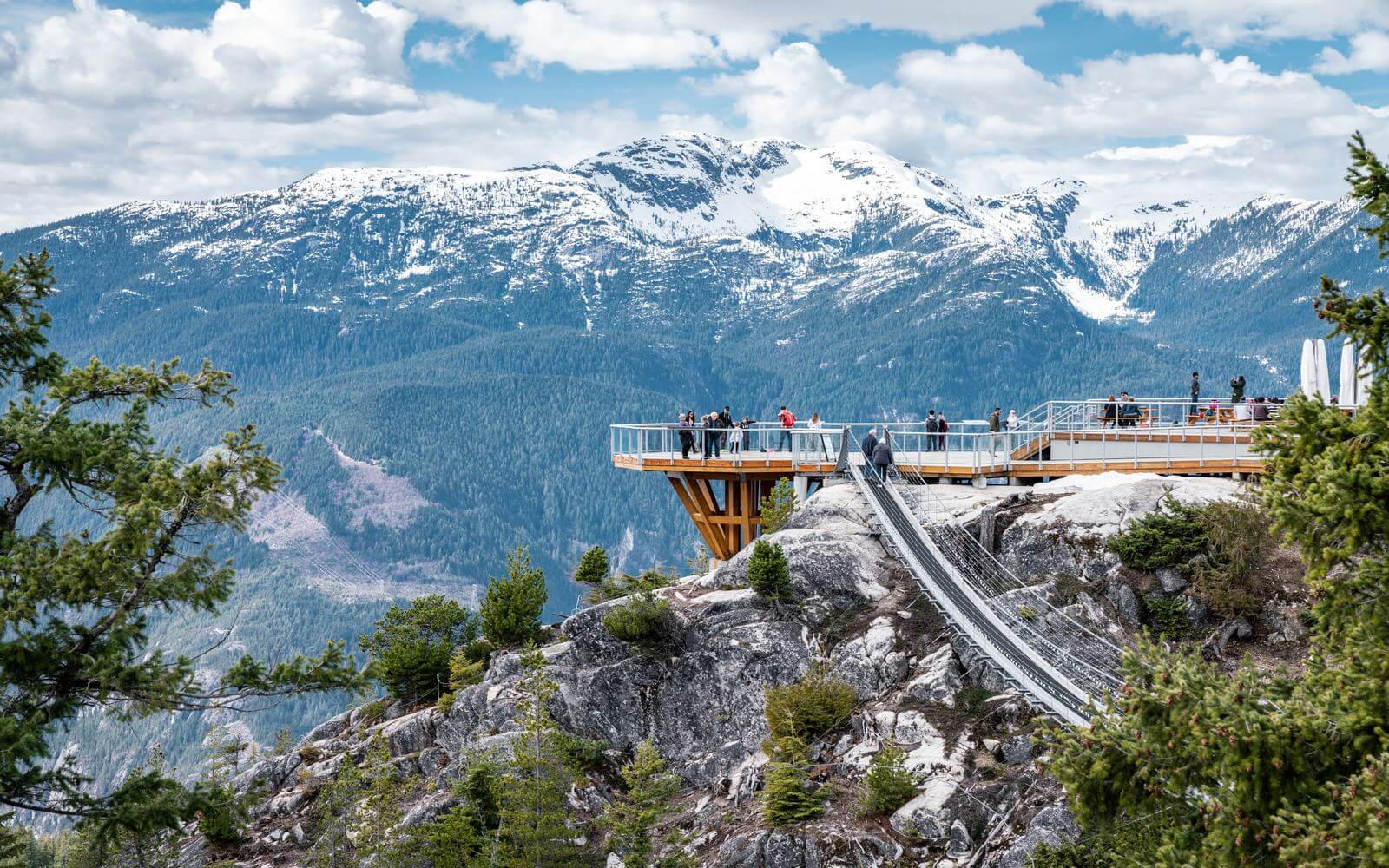
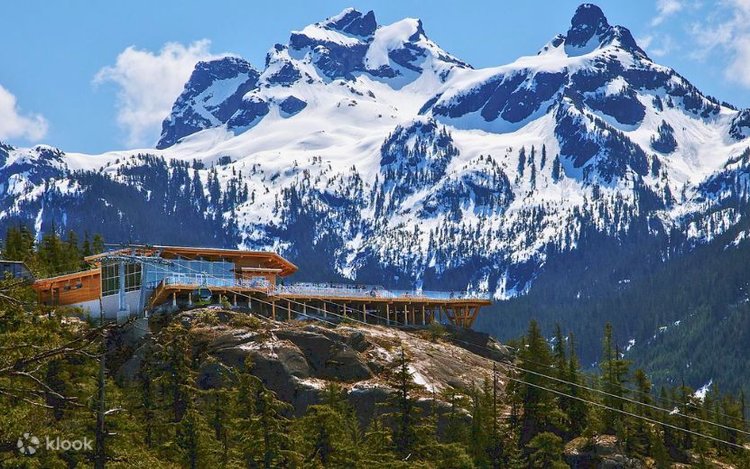
Where geospatial meets the real world. A one-day, approximately 150-person executive conference at Sea to Sky Gondola, Squamish, British Columbia — roughly 45 minutes from Vancouver.
Delegates would travel from Vancouver along the Sea-to-Sky corridor before ascending by gondola to the Summit Lodge overlooking Howe Sound. Rather than simply hosting Horizons in an impressive venue, the proposition is to make the landscape surrounding the venue part of the conference — exploring how geospatial intelligence, Earth observation, AI, positioning, digital twins and real-time sensing help us understand, manage and protect the physical world.
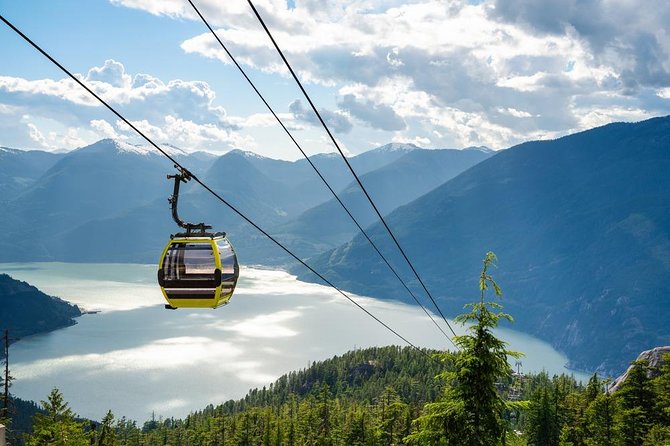
Mountains, forests, waterways, transportation corridors, communities, critical infrastructure and rapidly changing environmental conditions — each with a direct line into a major area of the geospatial industry.
Delegates can look through the windows and see the problems geospatial technology is helping solve.
Horizons has developed into WGIC's flagship global event. Horizons 2025 in Denver attracted more than 130 attendees, while Horizons 2026 in London expanded the conversation around infrastructure, cities, AI, climate, sensing, connectivity, governance and the role of geospatial as critical digital infrastructure — and was subsequently advertised as oversubscribed. A deliberately capped 150-person Sea to Sky edition is therefore well supported by demand. The objective is not dramatically higher attendance, but significantly higher experiential quality.
Not a conventional sequence of presentations transported to a mountain. The day deliberately connects conference content with the environment surrounding delegates.
Earth observation, satellite imagery and climate intelligence.
Drones, aerial mapping, photogrammetry and LiDAR.
GNSS, surveying, mobile mapping and infrastructure intelligence.
Utilities, geology, subsurface infrastructure and digital twins.
AI, Physical AI, autonomous systems and real-time digital representations of the physical world.
Observe it. Measure it. Understand it. Predict it. Protect it.
Optional dedicated Horizons coaches from one or two central Vancouver hotels. A mobile event experience identifies infrastructure, environmental and geographic features along the corridor. The journey becomes part of the programme.
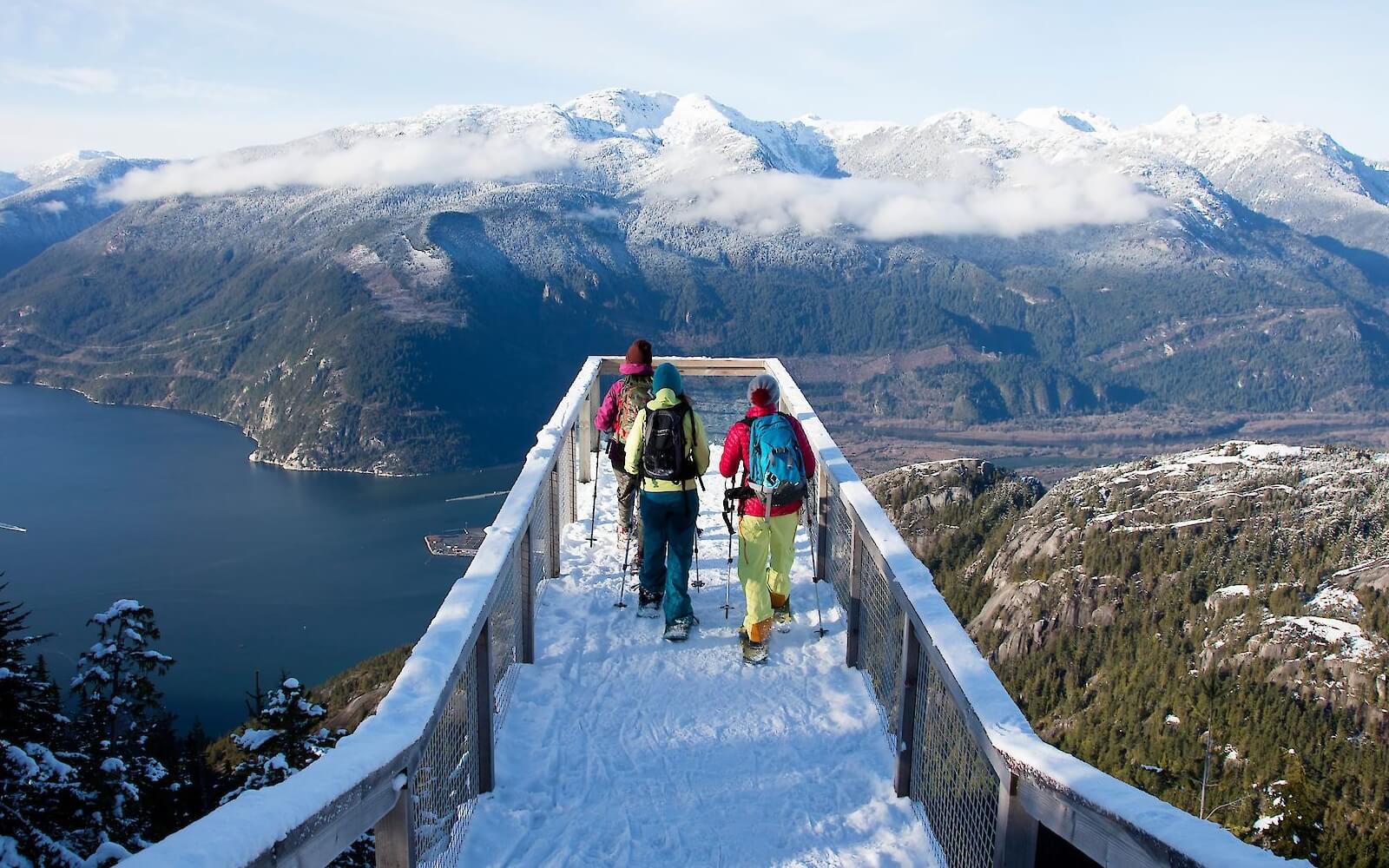
Delegates arrive and ascend the gondola. Attendees experience the landscape before discussing the technologies used to understand it.
A visually driven keynote reading the surrounding region through satellite imagery, LiDAR, mapping, environmental data and digital models. The view outside is the keynote's primary visual reference.
Earth observation, remote sensing, aerial imagery, LiDAR and next-generation sensing, with voices from the satellite, aerial mapping, drone and remote-sensing communities.
How precise positioning, reality capture, GIS and digital twins are changing the management of roads, utilities, transportation and critical infrastructure.
Lunch becomes part of the programme: short 10-minute Horizons Conversations interspersed with networking.
The mountain as a geospatial laboratory. Small groups rotate through optional live demonstrations in the terrain itself.
Everyone returns for the strategic conversation: geospatial + AI, Physical AI, autonomous systems, climate intelligence, digital twins, real-time Earth observation, resilient infrastructure, trusted location intelligence and geospatial as critical digital infrastructure.
A closing conversation followed by drinks and networking overlooking Howe Sound.
Attendees divide into small groups for a series of optional demonstrations in the terrain itself. This gives partners something considerably more valuable than a conventional exhibition presence.
Precision positioning demonstrated in challenging mountain terrain.
Capture an area live and transform it into a 3D model.
The difference between the landscape you see and the point cloud a machine sees.
Compare the landscape in front of you with satellite observations over time.
Fuels, vegetation, risk and predictive wildfire models.
Build and explore a digital representation of the surrounding environment.
Delegates spend the day looking at the same physical landscape through many different technological lenses. Horizons at the Summit closes the loop: a final conversation, then drinks and networking above Howe Sound as the light goes.
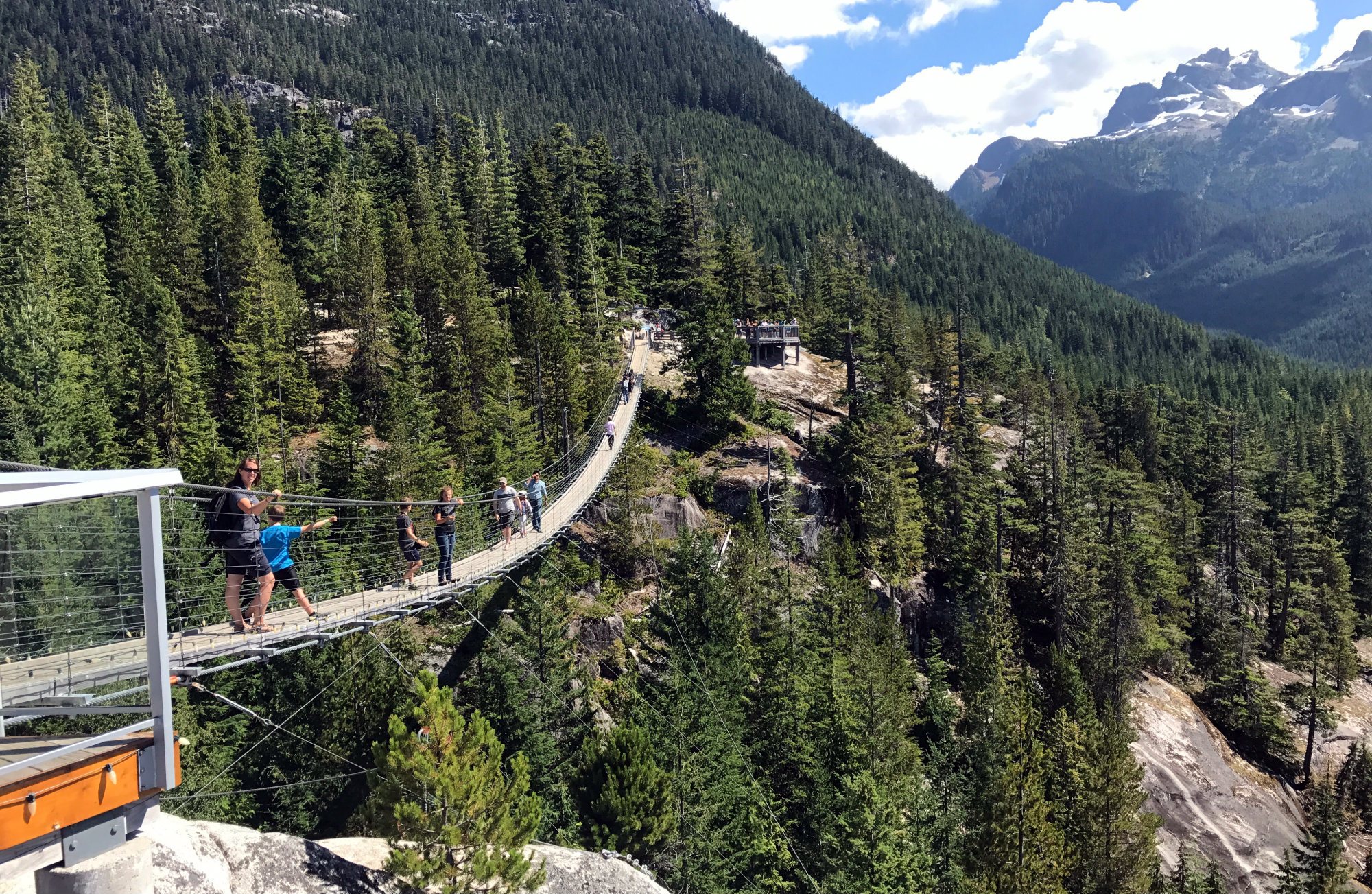
The Vancouver region provides an unusually strong ecosystem for Horizons, with strong international accessibility through Vancouver International Airport and a dramatically different environment from previous Horizons locations — a major international city alongside an extraordinary natural geospatial laboratory.
A capacity of approximately 150 creates scarcity and positions Horizons as an executive-level gathering rather than a trade show. Mapping partners to experiences creates more inventory — and more value — than a conventional Gold/Silver/Bronze structure.
Overall Horizons partner
Delegate arrival and gondola experience
Satellite and aerial intelligence demonstration
GNSS and surveying demonstration
LiDAR, drone and 3D mapping experience
Digital twins and infrastructure
Forest and environmental intelligence
The lunch experience
The closing reception
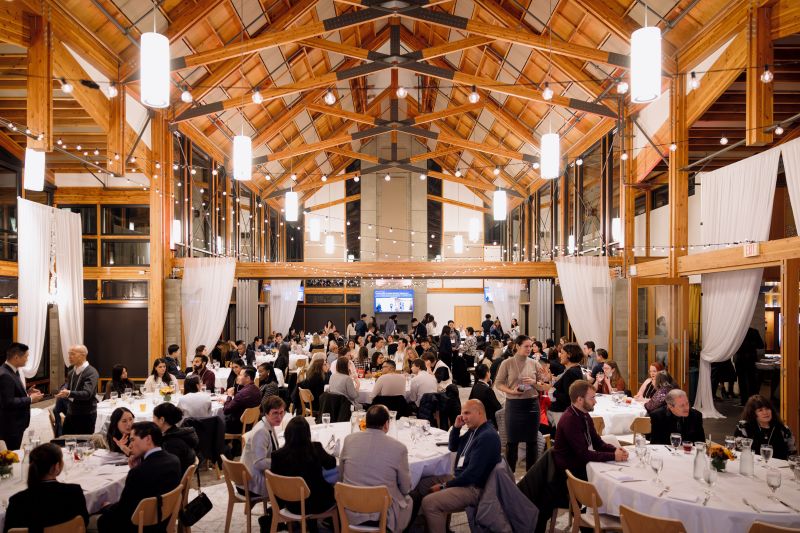
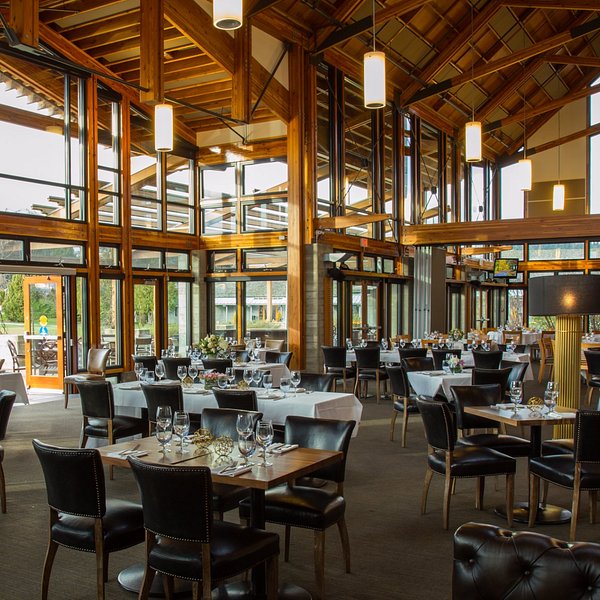
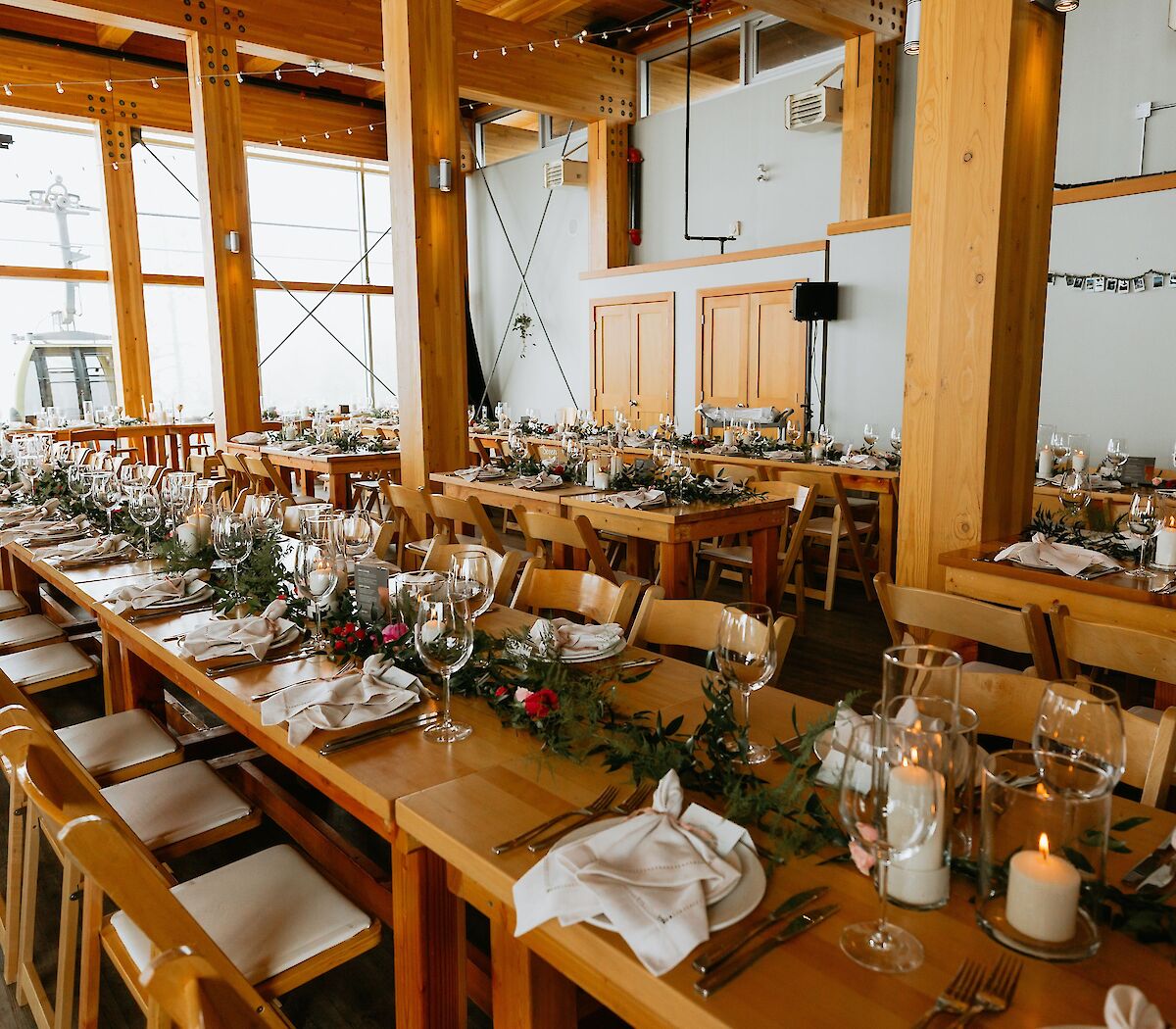
Sea to Sky Gondola explicitly promotes the property for meetings, company retreats and private functions. Summit Lodge provides approximately 4,220 sq. ft. and is listed for 175 seated with tables or 300 standing, with catering and basic AV available. Summit Lodge buyouts are stated as available October through April — which may work in Horizons' favour, delivering dramatic mountain conditions outside the peak tourism period.
First question to the events team
Can Summit Lodge accommodate approximately 150 attendees in an effective conference / theatre configuration?
No theatre-style capacity is currently published for the entire Summit Lodge. A site visit and floor-plan exercise would be essential.
Also to confirm
Summit Lodge & the mountain
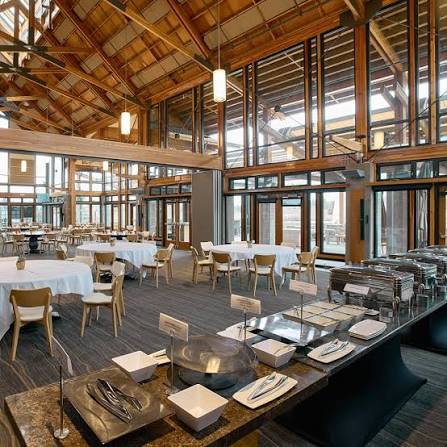
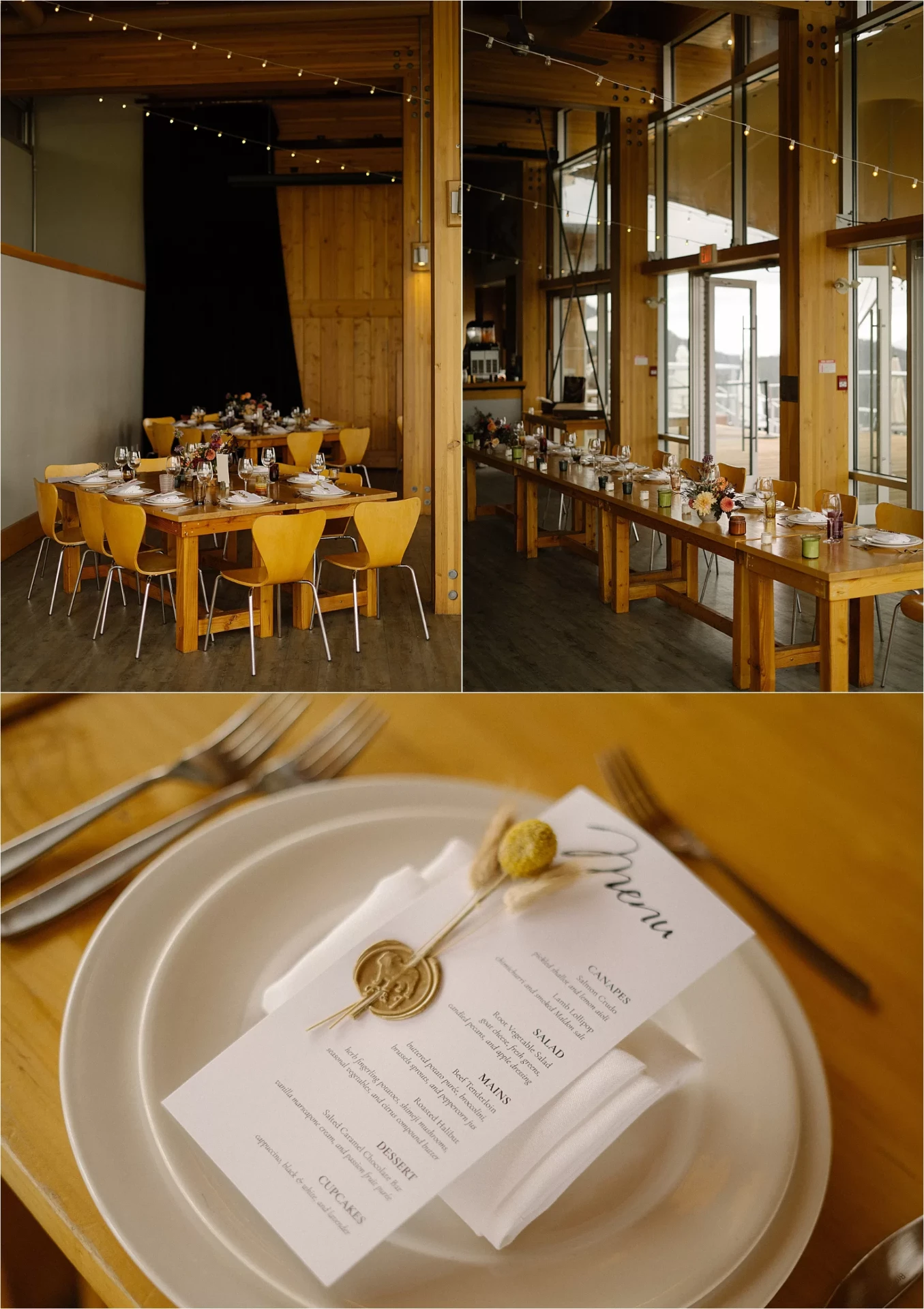
The objective should not initially be to book the venue. It should be to establish whether a 150-person, full-day, exclusive Horizons experience can be operationally delivered. If the theatre configuration, exclusivity, AV and economics work, Sea to Sky should be considered a serious candidate for the next North American WGIC Horizons flagship event.
The strategic question isn't whether Sea to Sky is a good conference venue. It is whether Horizons can become an event people travel internationally to attend because they cannot experience it anywhere else. The location isn't merely memorable — it gives Horizons a story.